Orthopedic Dog Bed: Does It Really Make a Difference for Senior Dogs with Joint Problems?
Yes: An orthopedic dog bed with shape-retaining foam (often referred to as Memory Foam or visco foam) significantly improves sleeping comfort by distributing weight more evenly and reducing harsh pressure points. What counts is not the retailer or country of origin, but the construction: sufficient height, a non-slip base, a washable cover, and durable materials. For senior dogs with arthritis or hip problems, what matters most is that the bed does not sag through and makes getting up easier, rather than letting the body sink to the floor.
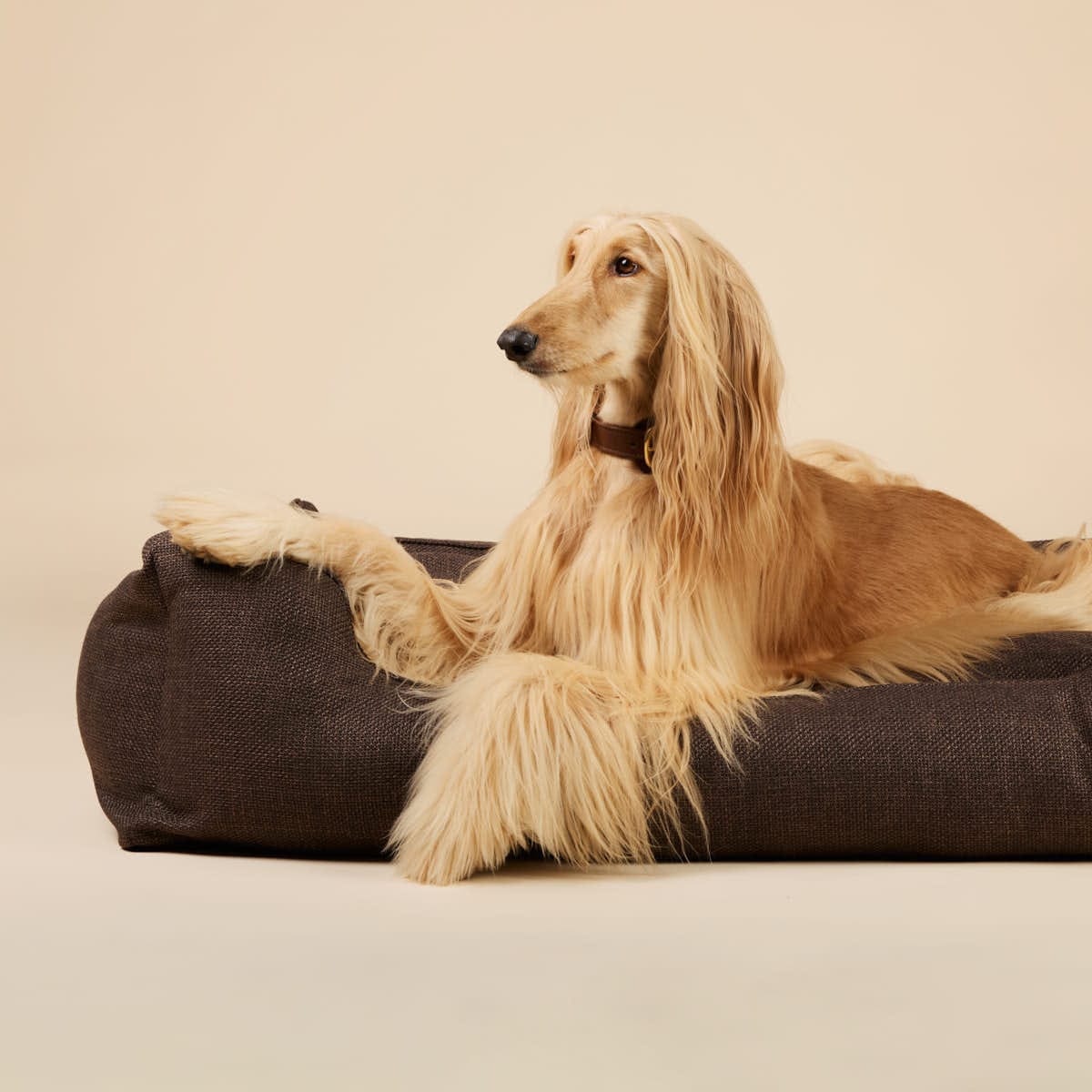
Real-world experiences are positive when the bed suits your dog's size and sleeping style, and the foam retains its supportive properties long term. A model that is too thin or too soft may feel cosy initially, but quickly loses its structural support. With a premium dog bed, removable, robust covers, clean seams, and controlled material quality represent a clear advantage, because they make hygiene and durability predictable. This is precisely where premium providers like William Walker stand out: stylish, high-quality, comfort-focused, and designed for a smooth purchasing and service experience.
What Makes an Orthopedic Dog Bed (and What Doesn't)
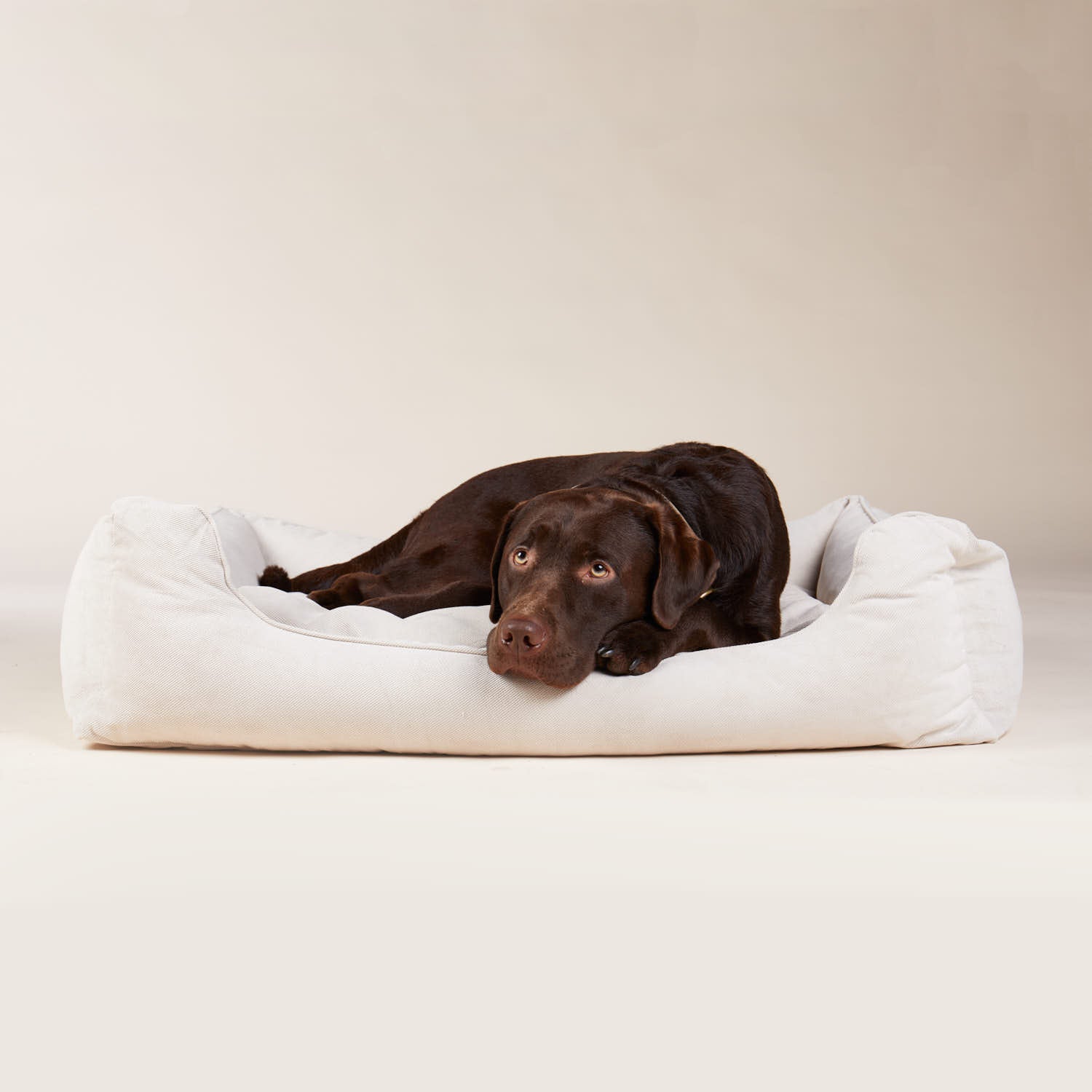
An orthopedic dog bed is not a marketing term - it is a functional description: it must support your dog's body evenly, so that no pressure points develop and your dog can rest comfortably. This is achieved through sufficient material height, a stable base, and a foam that conforms without collapsing. In practice, 'orthopedic' means less sagging, more support, and a defined resting place that remains reliably consistent day after day.
Not every 'soft' bed is orthopedic. A very fluffy cushion may feel comfortable, but with heavy or senior dogs it can quickly flatten out and then do exactly the opposite: the dog lies close to the floor, cold air rises from below, and there is no support for getting up. Orthopedic models are therefore usually higher, more densely constructed, and often feature a combination of a load-bearing base plus a conforming comfort layer. Make sure the manufacturer clearly describes the material construction and care instructions, rather than relying solely on feel-good language.
A simple test helps to assess quality: press firmly into the sleeping surface with your hand and hold the pressure briefly. High-quality foam yields, springs back in a controlled manner, and shows no permanent indentation. If you immediately press through to the bottom, or the foam feels spongy, the support level is often insufficient for an orthopedic dog bed. For large dogs and dogs with joint problems, this structural support is not a luxury - it is a fundamental requirement.
Memory Foam in Dog Beds: When It Makes Sense - and What to Look For
A memory foam dog bed makes sense when used as part of a stable overall construction: Memory Foam conforms to the body's shape and provides more even pressure distribution, noticeably improving sleeping comfort. For this to work long term, there must be a load-bearing layer underneath that limits sinking. Without a stable base, Memory Foam becomes too soft under heavy dogs, and the bed loses its 'orthopedic' character.
Everyday practicality is equally important: memory foam beds benefit greatly from a cover that is durable, removable, and hygienically washable. Senior dogs in particular often have damp paws, shed more hair, or require more frequent cleaning after walks. A premium dog bed therefore uses robust fabrics, precise craftsmanship, and a zipper that holds up in daily use. When design and function go hand in hand, the bed earns its place in your home - rather than ending up in a cupboard.
Temperature and room climate also play a role: visco foam responds to warmth and becomes firmer in the cold. A quality bed compensates for this through material thickness and construction, so your dog does not lie on a hard surface in winter. Position the bed away from draughts and, ideally, at a distance from cold exterior walls. This way, you make the most of the material's comfort advantages consistently, without the sleeping experience varying significantly with the seasons.
Dog Beds for Joint Problems: The Criteria That Make the Difference Every Day
A dog bed for joint problems must above all deliver two things: reliable support and an accessible entry that does not make getting up harder. For senior dogs, the combination of height (so the floor does not press through) and edge stability - when the dog pushes itself upright - is crucial. A bed that shifts when your dog stands up, or whose edge collapses, costs the dog effort every day and reduces its acceptance.
Non-slip undersides and covers that do not slip away when the dog changes position have proven their worth in practice. Especially for dogs with reduced muscle tone or an unsteady gait, a stable base prevents unnecessary compensatory movements. Ease of care is equally decisive: removable covers and smooth, clean inner constructions make regular hygiene straightforward. This is not a minor detail - it is a genuine comfort factor for both dog and owner in daily life.
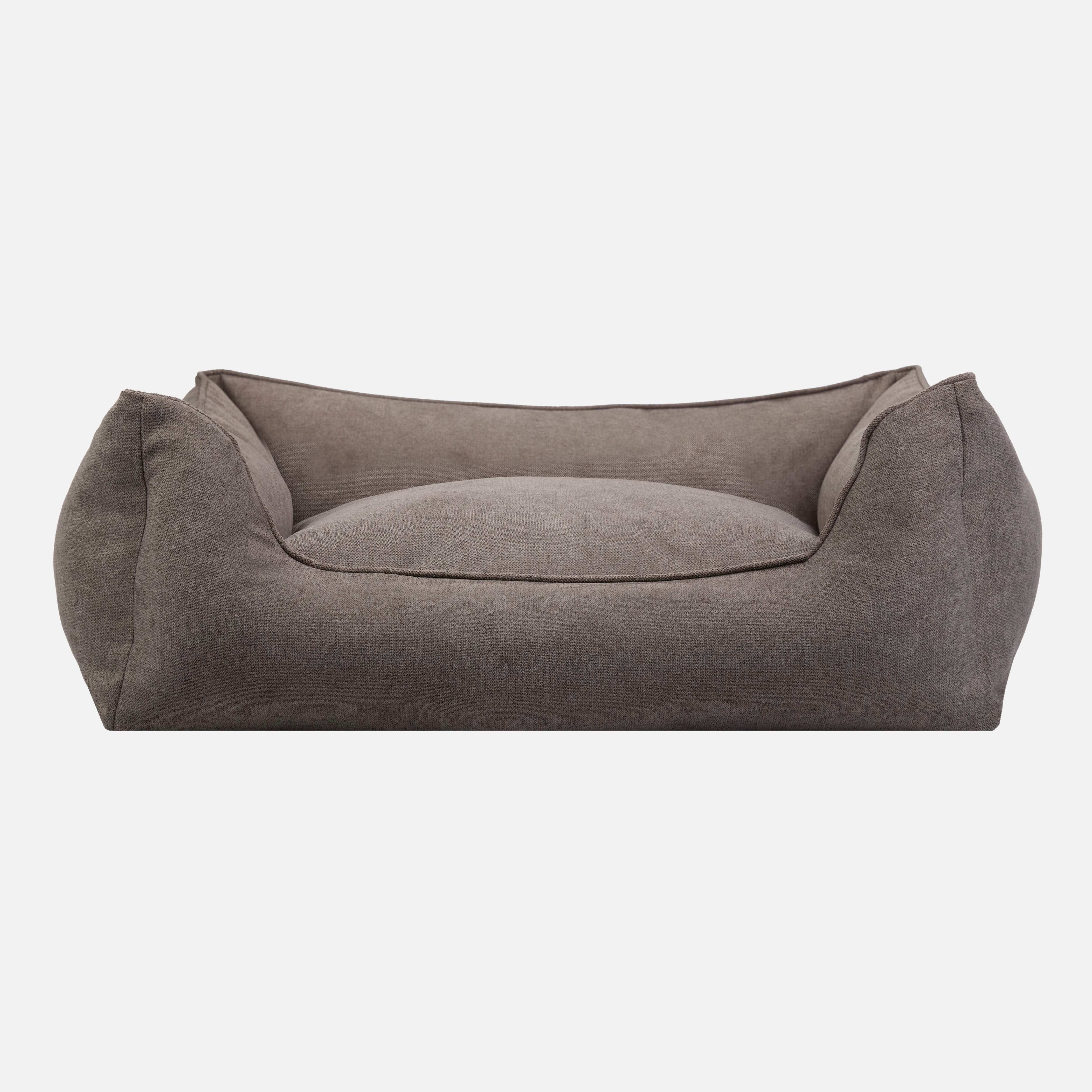
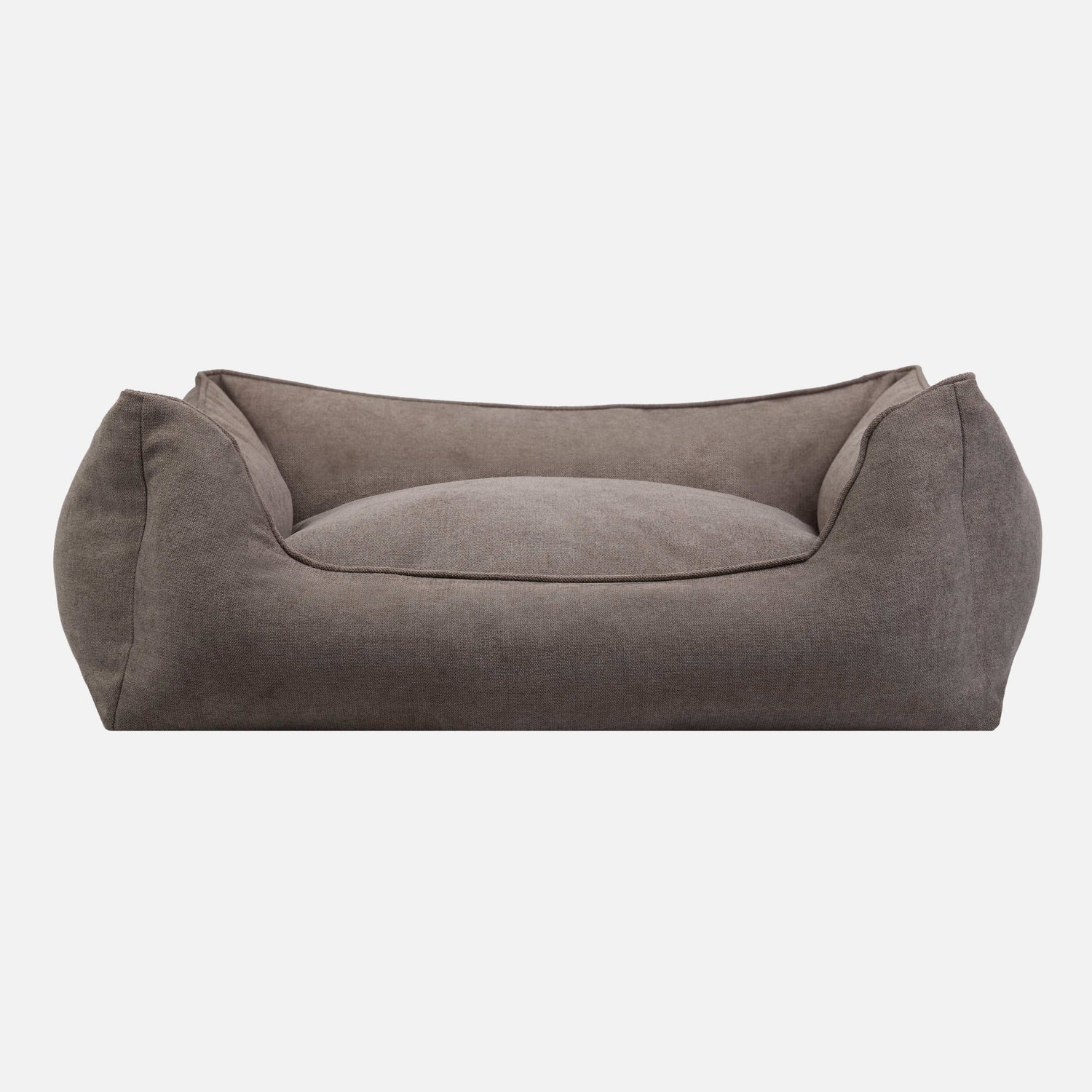
For dogs that frequently turn in circles or like to nestle, a slightly raised border makes sense, as it provides orientation and a sense of security. For dogs that sleep stretched out and need plenty of space, a generous, flat sleeping surface matters more than a thick border. The best solution is therefore not simply 'more padding', but the right geometry for your dog's sleeping position. A high-quality orthopedic dog bed is always a well-matched system of surface area, border, height, and material.
Dog Beds for Large Dogs: Load Capacity, Height, and Choosing the Right Size Without the Wrong Purchase
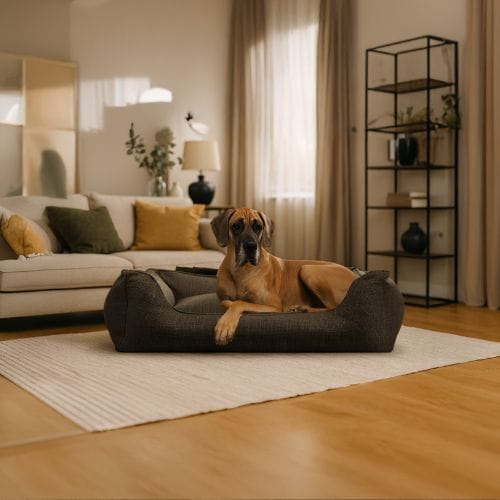
A dog bed for large dogs must above all do one thing: remain durably supportive. Large dogs place greater demands on the material, and thin mattresses quickly develop a hollow that leaves the body unevenly positioned. Choose a model with sufficient height and a denser foam construction, so the sleeping surface does not sag even after months of use. A premium dog bed is particularly worthwhile here, as durability is directly linked to material quality and craftsmanship.
The right size is determined not by breed, but by sleeping length: measure your dog from the tip of the nose to the base of the tail while lying stretched out, then add approximately 10 to 20 cm as a comfort allowance. This creates a surface where your dog does not bump into the edges when turning or stretching. For beds with a border, note also that the thicker the border, the smaller the usable inner surface. Always check the interior dimensions, not just the exterior measurements.
The weight of the bed is also a quality indicator for large dogs: a very light, voluminous-looking bed is often filled with soft material that yields more quickly. A more substantial, heavier bed stays in place, shifts less, and supports getting up more effectively. Combine this with a non-slip base, and the bed stays exactly where it should. This may sound obvious, but it saves a great deal of frustration in everyday life.
Premium Dog Bed: How to Recognize Genuine Quality Without Empty Promises
You recognize a premium dog bed by verifiable characteristics: material specifications, craftsmanship, care properties, and service. High quality in practice means: the cover can be removed and washed, seams do not fray, the zipper is cleanly finished, and the sleeping surface retains its shape. Quality providers communicate these points transparently, because they directly determine the benefit. Design is not a contradiction - it is part of the living experience when it is executed with lasting quality.
For stylish integration into modern homes, timeless design is essential: subtle colors, clean lines, and materials that look great even after many wash cycles. This is precisely where William Walker brings lifestyle and function together: premium aesthetics, carefully selected materials, and a consistent brand experience from shop to delivery. For discerning buyers, this matters - because the dog bed is visibly present in the home and used every day. Comfort and aesthetics thus contribute to the same benefit: a relaxed dog and a harmonious living space.
Service is also a quality indicator: a user-friendly shop, secure payment, and fast delivery ensure the bed arrives when you need it. This is especially relevant when a dog is acutely uncomfortable, or when you need to quickly arrange a better sleeping solution after surgery or a recovery period. Premium in this context does not mean 'expensive' - it means reliable: clear information, transparent material choices, and a purchasing process that works without complications.
How to Choose the Right Orthopedic Dog Bed: A 2-Minute Checklist
The selection becomes straightforward when you approach it systematically: check sleeping style, size, material construction, care, and stability - in that order. This helps you avoid the typical mistakes of 'too small', 'too soft', or 'not washable'. An orthopedic dog bed must work in everyday life, not just in a product photo. Use this checklist and the decision becomes objective and quick.
- Sleeping style: stretched out = large sleeping surface; curled up = border or raised edge recommended.
- Dimensions: measure sleeping length and add 10 to 20 cm; check interior dimensions for beds with borders.
- Construction: sufficient height, shape-retaining base and comfort layer (e.g. Memory Foam).
- Non-slip: anti-slip underside and stable base when getting up.
- Care: removable, washable cover; robust fabric for everyday use and pet hair.
- Home environment: position away from draughts, at a distance from cold exterior walls, in a quiet location.
- Acceptance: familiarise your dog with the bed (blanket or toy), do not force it.
If you also value a stylish appearance, choose colors and fabrics that complement your interior while remaining robust. Premium providers like William Walker focus on exactly this combination of timeless aesthetics and everyday-ready construction. The result is a place your dog genuinely uses, rather than retreating to the sofa or cold floor tiles. This makes the bed a real part of the daily routine - and routine is the greatest comfort of all.
Care, Hygiene, and Durability: How to Keep Your Dog Bed Comfortable Long Term
An orthopedic dog bed only remains orthopedic when it stays clean and shape-retaining. Regular vacuuming removes hair and dust, and a washable cover reliably keeps odors under control. Be realistic: a dog bed is used every day and should be maintained like a piece of furniture. Consistent care noticeably extends its lifespan and ensures constant comfort.
Wash covers according to the manufacturer's instructions and use a gentle cycle if the fabric is a high-quality weave. Make sure the inner core can dry thoroughly and does not remain permanently damp - especially after rainy walks or if your dog likes to lie down with a wet coat. Moisture is the most common reason why beds start to smell and become uncomfortable more quickly. A second cover is a very practical solution in everyday life, as the bed remains usable while the other cover dries.
Regularly check the sleeping surface for permanent indentations: if your dog always rests in the same hollow, the bed is losing its supportive properties. Rotate the inner cushion if possible, or change the orientation, so that the load is distributed more evenly. This small measure significantly extends the lifespan without any loss of comfort. Premium beds are designed precisely for these long-term usage cycles: robust, easy to care for, and stable in daily use.
The Competitive Landscape: Why Premium Brands Matter - Without Making It a Question of 'Better Than'
In the premium segment, established brands such as Cloud7, Hunter, or Wolters are familiar options for many dog owners, as they combine design with everyday usability. What ultimately matters, however, is the specific product: material construction, cover, care properties, and fit. Those who compare objectively focus less on the name and more on the characteristics that are measurable in everyday life. These are precisely the criteria that make an orthopedic dog bed a genuine benefit - regardless of the provider.
William Walker positions itself as a Hamburg-based premium dog shop that combines function and stylish design in one place, delivering a premium experience from product selection through to delivery. For discerning buyers, this matters, because the purchasing process is fast, secure, and straightforward, and the product fits visually into the home. If you are looking for an orthopedic dog bed, it is therefore worth considering providers who communicate material and care properties clearly. This reduces the risk of a wrong purchase and ensures reliable, plannable comfort.
FAQ: Frequently Asked Questions About Orthopedic Dog Beds
Does an orthopedic dog bed really help with arthritis?
An orthopedic dog bed improves sleeping comfort by distributing weight more evenly and reducing sagging. This does not replace veterinary treatment, but supports the daily rest period with a more stable, comfortable sleeping surface.
Which is better: a memory foam dog bed or cold foam?
Memory Foam offers high adaptability and feels particularly conforming when a load-bearing base is underneath. Cold foam is often very shape-retaining and long-lasting; many high-quality beds combine both principles in multiple layers.
How thick should an orthopedic dog bed be for large dogs?
For large dogs, what matters most is that the sleeping surface does not press all the way through to the floor and provides lasting support. Choose a bed with a clear material height and a stable base; very thin mattresses quickly lose their benefit under heavy weight.
How do I recognize a genuine premium dog bed?
By verifiable characteristics: a removable and washable cover, robust seams, clean zippers, a non-slip underside, and transparent information about the material construction. Premium quality shows itself in everyday life through durability and ease of care - not through advertising slogans.
My dog won't accept the new bed - what helps immediately?
Place the bed in your dog's usual resting spot, add a familiar blanket or a worn T-shirt, and reward calm settling. Avoid pressure; acceptance reliably develops through positive association and routine.
Why is the location more important than many people think?
Draughts and cold exterior walls reduce the sleeping experience, even with good materials. A quiet, warm spot increases the effective use of the bed, as your dog will voluntarily prefer this location.
Author: William Walker Editorial Team